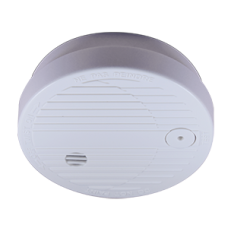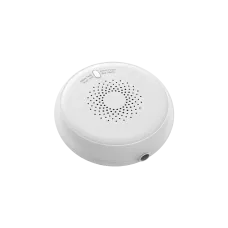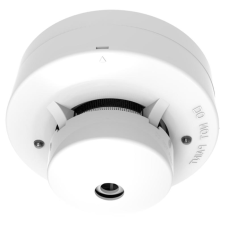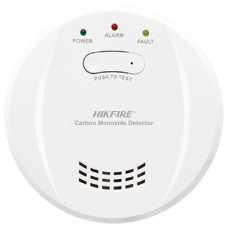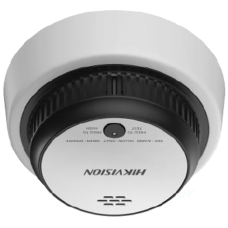
Conventional detectors are devices or systems commonly used to identify and monitor a wide range of physical phenomena or substances, such as smoke, heat, motion, gas, or other specific environmental changes. These detectors are fundamental components in various safety, security, and monitoring applications across multiple industries, including residential, commercial, industrial, and scientific fields.
In the context of fire detection, conventional detectors typically include smoke detectors, heat detectors, and flame detectors. Smoke detectors sense the presence of smoke particles in the air, which may indicate fire, and operate primarily using photoelectric or ionization technologies. Heat detectors, on the other hand, are designed to respond to changes in temperature and can be either fixed temperature, which trigger an alarm when a specific temperature is reached, or rate of rise, which detect a rapid increase in temperature.
Conventional detectors often work as part of a broader alarm system. In such systems, multiple detectors are strategically placed within an area, with each detector connected to a central control panel. This configuration allows for individual identification of detector zones or circuits, aiding in the quick location of the source of alarm activation. However, unlike more advanced addressable systems that provide precise location details for each detector, conventional systems typically offer less granularity, providing information on general zones rather than specific points.
Despite the rise of more sophisticated technologies, conventional detectors remain popular due to their reliability, ease of installation, and cost-effectiveness. They continue to play a crucial role in hazard detection and prevention, contributing to the safety and protection of people, properties, and assets.