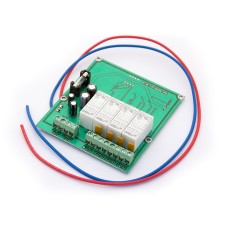
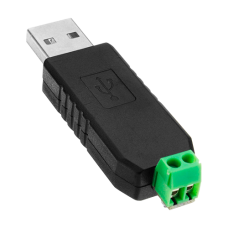
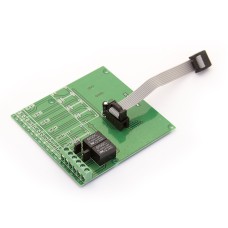
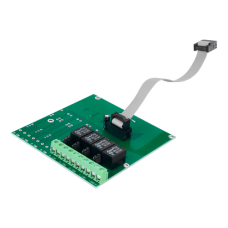
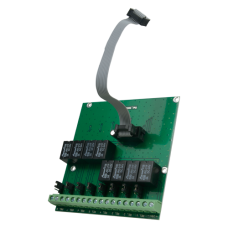
Conventional fire alarm system modules are critical components within a traditional, wired fire alarm infrastructure. These modules are designed to enhance the functionality, flexibility, and manageability of fire detection systems, providing essential services to ensure the safety of buildings and their occupants.
1. Detection and Signaling: Conventional modules facilitate the integration of various detection devices such as smoke detectors, heat detectors, and manual call points. Each module connects these devices to a central control panel, allowing for the signaling of potential fires or issues.
2. one-Based Configuration: These systems often operate on a zone-based configuration. A building is divided into multiple zones, and conventional modules help in grouping and managing these zones efficiently. When a detector is triggered, the control panel identifies the zone, aiding in quick response and evacuation efforts.
3. Simplicity and Cost-Effectiveness: Conventional systems are known for their simplicity and cost-effectiveness, making them ideal for smaller applications where complex, addressable systems are not required. The modules are typically easy to install and maintain.
4. Reliability and Dependability: With fewer electronic components than more advanced systems, conventional modules offer reliability in detecting and signaling fire events. Their straightforward design allows for robust operation and long-term dependability.
5. Integration Capabilities: These modules can be integrated with alarms, strobe lights, and other notification devices to ensure comprehensive alerting throughout a facility. They allow for the seamless expansion of a fire alarm system by adding more zones or detection devices as needed.
6. Types of Modules: Common types of conventional modules include interface modules (which connect different types of devices), zone modules (which group detectors into zones), and relay modules (which interface with other building systems, such as HVAC or elevators for smoke control or evacuation).
7. Manual Activation and Control: Beyond automatic detection, many conventional modules support manual activation of alarms, allowing occupants to initiate an alarm in case of direct observation of a fire.



-228x228.jpg)