Model: B9000MCP-D
In stock
Model: B9000MCP-S
In stock
Model: D9000 MCP
In stock
Model: D9000 MSR
In stock
Model: FP9000-16
In stock
Model: FP9000-24
In stock
Model: FP9000-32
In stock
Model: FP9000L - 2
In stock
Model: FP9000L - 4
In stock
Model: FP9000L - 8
In stock

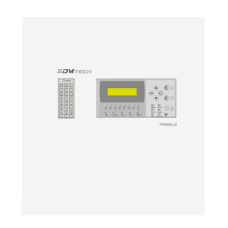
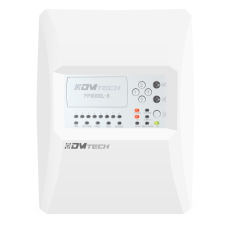
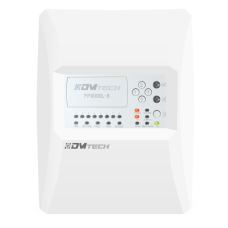
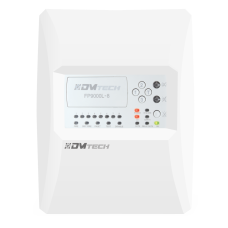
A Conventional Fire Alarm System is a traditional and widely-used method for detecting and alerting occupants to the presence of fire within a building. This system is designed to provide reliable fire safety and protection by integrating several key components that work together to detect and report potential fire hazards.
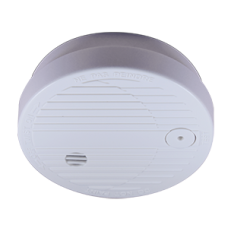
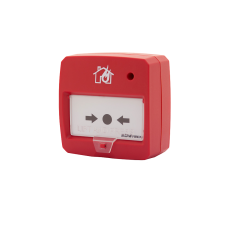
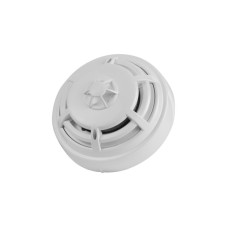
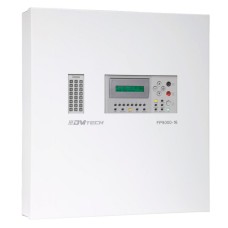
At its core, a Conventional Fire Alarm System is based on zone-based detection. The protected premises are divided into different zones, each monitored by a dedicated set of fire detection devices. These devices typically include smoke detectors, heat detectors, and manual call points (manual pull stations). Each zone is separately wired to the fire alarm control panel, which is the central hub of the system. When any detector within a particular zone is triggered, the control panel receives a signal indicating a potential fire event within that specific zone.
One of the primary advantages of conventional fire alarm systems is their simplicity and cost-effectiveness, making them suitable for smaller buildings or premises with straightforward layouts. Since these systems use separate circuits for each zone, it becomes easier to identify the general area where the alarm originated, although pinpointing the exact detector that activated the alarm can be more challenging compared to more advanced systems.
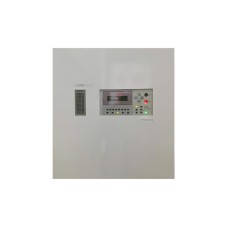
The control panel displays the status of each zone and activates audible and visual alarms, such as sirens and strobe lights, to alert occupants. Moreover, the system can be connected to external services, such as local fire departments or monitoring companies, to ensure a prompt response to any fire emergency.








-220x180.png)






-220x180.png)