

Cart
Your shopping cart is empty!
It's never too late to make things right :)

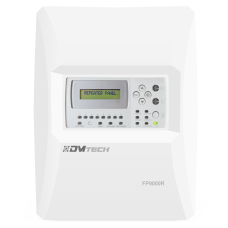
-200x200.png "Conventional Repeater Fire Alarm System")
A conventional repeater fire alarm system is an integral part of fire safety in various buildings, serving to enhance the monitoring and management of fire detection. This system operates by utilizing a network of interconnected devices and panels that communicate with each other to relay information about potential fire hazards. Here’s a detailed description of how it works and its features:
1. Zoning and Detection: In a conventional repeater fire alarm system, the building is divided into multiple zones. Each zone is equipped with a variety of fire detection devices, such as smoke detectors, heat detectors, and manual call points. By organizing the premises into zones, it becomes easier to pinpoint the location of a detected fire, facilitating quicker response and evacuation procedures.
2. Main Control Panel: The heart of the conventional repeater system is the main control panel. It receives signals from the detectors installed across different zones. Each detection device is hardwired to the control panel, and when a detector is triggered, the panel identifies which zone is activated and displays the information on its interface.
3. Audible and Visual Alarms: When a detector is triggered, the system activates audible and visual alarms to alert occupants. Bells, sirens, and strobes are used to ensure everyone in the building is aware of the potential danger, prompting evacuation.
4. Monitoring and Maintenance: Regular monitoring and maintenance are crucial for the reliable operation of a conventional repeater fire alarm system. Regular checks are conducted to ensure that all detectors, panels, and alarms are functioning correctly. This reduces the risk of false alarms and ensures that the system will perform effectively in the event of a real fire.
5. User Interface and Alerts: Both the main control panel and repeater panels typically have user-friendly interfaces with clear indicators for zones and alarm status. They may also feature controls for testing, silencing alarms, and system resets, allowing trained personnel to manage the system efficiently. They often come with alert features to notify maintenance personnel of system faults or areas needing attention.


