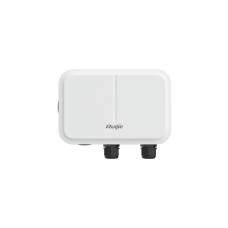
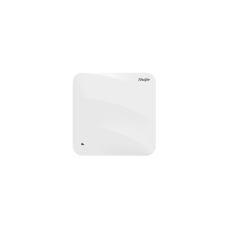
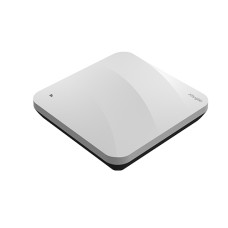
Access points (APs) are crucial devices in wireless networking that allow Wi-Fi enabled devices to connect to a wired network. They serve as a bridge, facilitating the communication between wireless users and the wired network infrastructure. Typically, access points are used to extend the coverage of a Wi-Fi network, ensuring that devices such as laptops, smartphones, and tablets can connect to the internet and other network resources within a specified area.
Access points can be standalone devices, connecting directly to a router or switch, or part of a larger, integrated system of network management. They differ from routers in that they do not provide routing capabilities but instead function to transmit and receive data wirelessly, typically within enterprise environments such as offices, campuses, or public venues.
Other advanced features of access points may include support for Power over Ethernet (PoE), which allows them to receive power and network connectivity through a single Ethernet cable, simplifying installation and reducing the need for additional power outlets.
Access points can be managed individually or centrally through wireless controllers, which allow network administrators to oversee multiple APs, ensuring optimal performance and security across the network. This central management can also facilitate load balancing, automatic configuration, and seamless handoff between APs as users move throughout the coverage area.
Overall, access points play a vital role in creating expansive, reliable wireless networks that accommodate the growing demand for mobile connectivity in various environments.