A Fire Extinguishing System is an essential safety feature designed to detect, control, and extinguish fires in various environments, including residential, commercial, and industrial settings. These systems are engineered to provide rapid response to a fire outbreak, minimizing the risk to life and property.
Key components of a Fire Extinguishing System include:
1. Detection Devices: These are the sensors used to identify the presence of fire, heat, or smoke. Common detection devices include smoke detectors, heat detectors, and flame detectors.
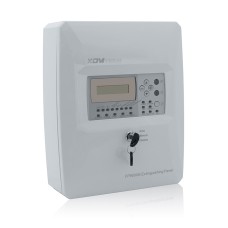
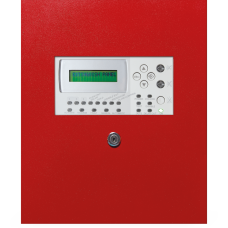
2. Control Panel: This acts as the brain of the system, processing signals from detection devices and initiating an appropriate response.
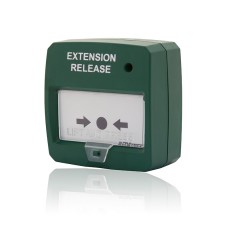
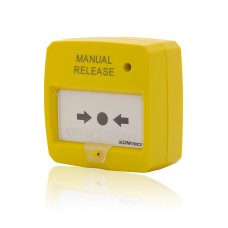
3. Actuation Mechanism: Once a fire is detected, this mechanism triggers the release of the extinguishing agent.
4. Extinguishing Agents: Various agents can be used, depending on the type of fire risk and the environment. Common agents include water, foam, dry chemical powders, carbon dioxide, and clean agents like FM-200 or Novec 1230.
5. Delivery System: This includes pipes, hoses, and nozzles that distribute the extinguishing agent to the fire-affected area. For water-based systems, this would be a series of sprinklers or hydrants.
6. Alarms and Notification Systems: Audible alarms and visual indicators alert occupants to evacuate the building and can also notify the fire department automatically.
Fire Extinguishing Systems can be classified into several types, such as:
- Sprinkler Systems: Typically used in a variety of buildings, these systems distribute water through a network of pipes and are effective for most types of fires.
- Gaseous Fire Suppression Systems: Utilized in areas containing electrical equipment or valuable assets, these systems deploy a gas that suppresses the fire without leaving residue.
- Foam Systems: Primarily used in industrial settings, these systems apply a layer of foam that suffocates the fire and prevents reignition.
- Dry Chemical Systems: These are versatile and can be used in various settings to combat fires involving solid, liquid, and electrical sources.
Fire Extinguishing Systems are designed to comply with stringent safety standards and regulations, ensuring their effectiveness and reliability. Proper maintenance, regular inspections, and periodic testing are critical for the system's readiness in case of a fire emergency. Overall, these systems play a vital role in fire safety, offering protection and peace of mind to building occupants and owners.