

Cart
Your shopping cart is empty!
It's never too late to make things right :)

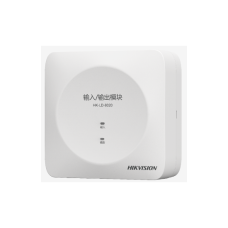
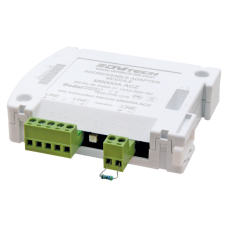
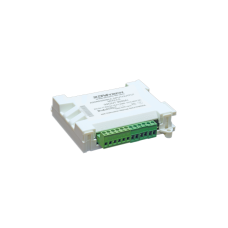

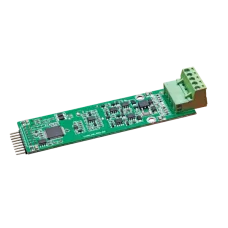
Addressable modules are integral components of advanced fire alarm systems, specifically designed to enhance the system's control, monitoring, and response capabilities. Unlike conventional fire alarm systems, which operate on a zone-based mechanism, addressable systems allow for precise identification and management of individual devices, optimizing the building's overall safety and response efficacy.Key features and functionalities of addressable modules include:
1. Addressability: Each module and device in the system is assigned a unique address, allowing the control panel to receive specific information from and communicate precisely with each component. This facilitates rapid identification of the exact location and nature of any issue within the premises, such as a fire or smoke event.
2. Enhanced Monitoring and Control: Addressable modules connect various devices like smoke detectors, heat detectors, pull stations, and sounders, providing detailed information about their status. The system can remotely monitor, control, and adjust the settings of these devices, ensuring optimal performance and swift troubleshooting.
3. Flexibility and Scalability: Addressable fire alarm systems can easily accommodate changes in building layout or function. Modules can be added, removed, or reprogrammed without significant rewiring, making the system adaptable to both expansions and renovations.
4. Improved Reliability: Enhanced diagnostics minimize downtime by allowing for real-time monitoring of device health and connectivity. If a device fails or malfunctions, the system can issue maintenance alerts, ensuring prompt resolution and consistent system operation.
5. Quicker Response Times: By pinpointing the exact location of a potential fire threat, addressable systems facilitate quick and targeted responses from building occupants and emergency services. This capability significantly reduces the time taken to address fire hazards and can help prevent escalation.
6. Cost-Effective Maintenance: Continuous self-diagnosis capabilities reduce the need for routine manual inspections, lowering maintenance costs. The ability to update module programming remotely further enhances cost efficiency.
7. Integration with Other Systems: Addressable modules can be seamlessly integrated with other building management and safety systems, such as HVAC controls and security systems, creating a comprehensive and coordinated approach to building safety and management.


