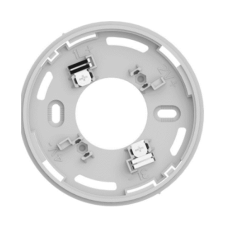
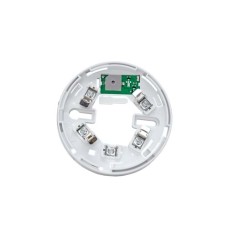
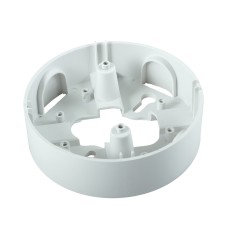
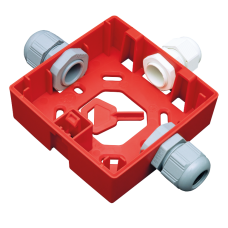
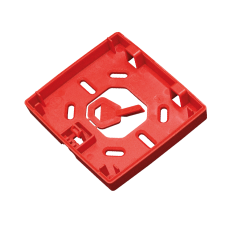
An addressable base is a critical component of a sophisticated fire alarm system, designed to enhance the reliability and efficiency of fire detection and response. Unlike conventional bases that work independently, addressable bases form part of a larger, interconnected system. Each base is capable of communicating specific information about its status or any potential fire-related events back to a central control panel. This communication is made possible through digital signaling technology, which assigns a unique address to each device connected to the system.
Addressable bases support a variety of fire detection devices, such as smoke and heat detectors, and provide real-time, precise data about their operational status. This enables the system to pinpoint the exact location of an alarm activation, greatly improving response times and resource allocation during an emergency. Additionally, these bases often include diagnostic features that allow operators to monitor device health and perform maintenance proactively, reducing downtime and ensuring optimal performance always.
Another advantage of addressable bases is their ability to support system scalability and flexibility. As a facility's requirements change or expand, additional devices can be easily integrated into the system without extensive rewiring, making it a cost-effective solution for both large and small installations. Advanced models may also offer support for auxiliary functions, such as controlling relays for automated door closures or other fire safety measures during an event.


-200x56.webp)