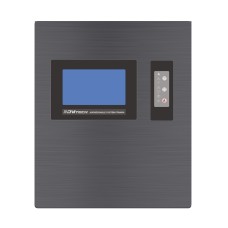
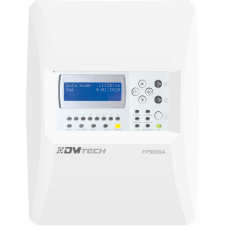
Addressable Fire Alarm Panels are advanced fire detection and alarm systems designed to provide enhanced safety and efficient monitoring in various types of buildings, from residential to large commercial complexes. Unlike conventional fire alarm systems, addressable panels can pinpoint the exact location of a fire or fault, thanks to their ability to assign a unique address to each device connected to the system, such as smoke detectors, heat detectors, manual call points, and other initiating devices.
These panels are equipped with a microprocessor that processes information from all connected devices. When an alarm is triggered, the panel not only sounds the alarm but also displays the precise location of the activated device, allowing for faster and more accurate responses from emergency personnel. This feature significantly reduces response times and minimizes potential damage by quickly identifying the source of the alert.
Addressable fire alarm panels also offer enhanced flexibility in system configuration and maintenance. They allow for easy integration of additional devices and are often compatible with a range of communication protocols, making them suitable for both new installations and upgrades to existing systems. The systems are typically equipped with advanced software that facilitates monitoring, diagnostics, and event logging, thus ensuring consistent compliance with safety regulations and standards.
Moreover, these panels often support various user interfaces, including touchscreens and networked access, enabling remote monitoring and control. The smart technology inherent in addressable panels can help in preventing false alarms and ensuring that maintenance needs are promptly addressed, as the panel can highlight not only active issues but also potential areas of concern.
In summary, addressable fire alarm panels are sophisticated, reliable, and user-friendly systems that offer significant advantages in terms of responsiveness, clarity in alarm signaling, and adaptability to complex building layouts and operational needs. These attributes make them an essential component of modern fire safety strategies.