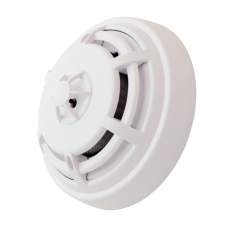
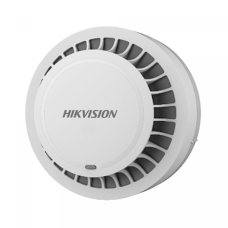
An addressable fire alarm system is a sophisticated and intelligent setup designed to enhance fire detection and response capabilities within a facility. At the heart of this system are the addressable detectors, integral components engineered to provide precise identification and location information in the event of a fire. Unlike conventional fire alarms, where detectors only signal the presence of smoke or heat without specifying the location, addressable detectors are wired on a loop and each detector has a unique "address". This address allows the main control panel to pinpoint the exact location of the triggered detector, enabling a faster and more efficient response.
Addressable detectors come in various types, including smoke detectors, heat detectors, and multi-sensor detectors that can identify a combination of fire signatures like smoke and heat. These detectors communicate with the central control panel using a digital signal, frequently relaying their status and any changes in their environment. This constant communication allows the system to monitor for faults or disconnections, ensuring the reliability and integrity of the fire alarm system.
The advantages of an addressable fire alarm system with addressable detectors include scalability and flexibility, providing the ability to add or modify detectors without significant rewiring. Additionally, they offer reduced false alarms due to the advanced algorithms embedded in both the detectors and the control panel that can distinguish between real fire conditions and non-threatening stimuli. Their integration capabilities with other building management systems further enhance the safety and operational efficiency of the premises.