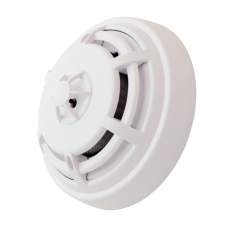
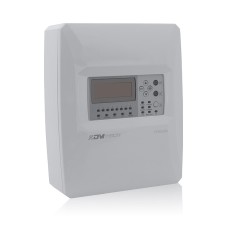
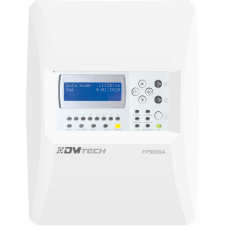
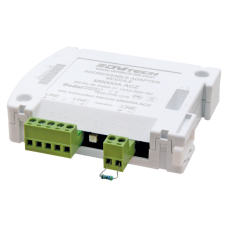
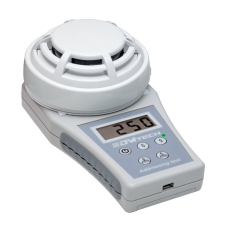
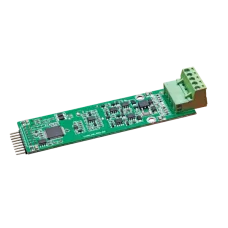
An Addressable Fire Alarm System is an advanced, highly efficient fire detection system designed for use in various buildings and complexes to enhance safety and improve emergency response. Unlike conventional fire alarm systems, which divide a building into multiple zones, an addressable system connects each device, such as smoke detectors, heat detectors, and call points, to a central control panel with a unique address. This individual addressing allows the system to precisely identify the location of a potential fire or fault, thereby improving the speed and accuracy of the response.
Key features of an addressable fire alarm system include:
1. Individual Device Identification: Each device has a unique address, enabling the system to pinpoint the exact location of a triggered alarm or malfunction, which facilitates quicker response times for fire safety personnel and minimizes potential damage.
2. Enhanced Monitoring and Control: The system provides real-time monitoring of all connected devices, allowing for the rapid identification of issues such as device failures, maintenance needs, or unauthorized interference.
3. Programmable and Flexible: The system is highly customizable, supporting a range of programming options to suit the specific fire safety requirements of different environments. Changes to the configuration or system expansion can be easily managed via the control panel without extensive rewiring.
4. Reliability and Safety Features: Many addressable systems incorporate advanced features like fault isolation, which prevents a failure in one section from affecting the entire system, and built-in redundancy to ensure continuous operation even in the event of a component failure.
5. Integration with Other Systems: Addressable fire alarm systems can often be integrated with other building management and safety systems, such as sprinklers, HVAC controls, and security systems, providing comprehensive building safety management.
These systems are widely used in commercial, industrial, and large residential buildings due to their enhanced identification abilities, reliability, and integration capacity. They are particularly beneficial in complex environments where rapid fire detection and precise location identification are crucial for effective emergency response and safety management.